Cardiac Rehabilitation
Medically-supervised recovery after a heart event, procedure or surgery
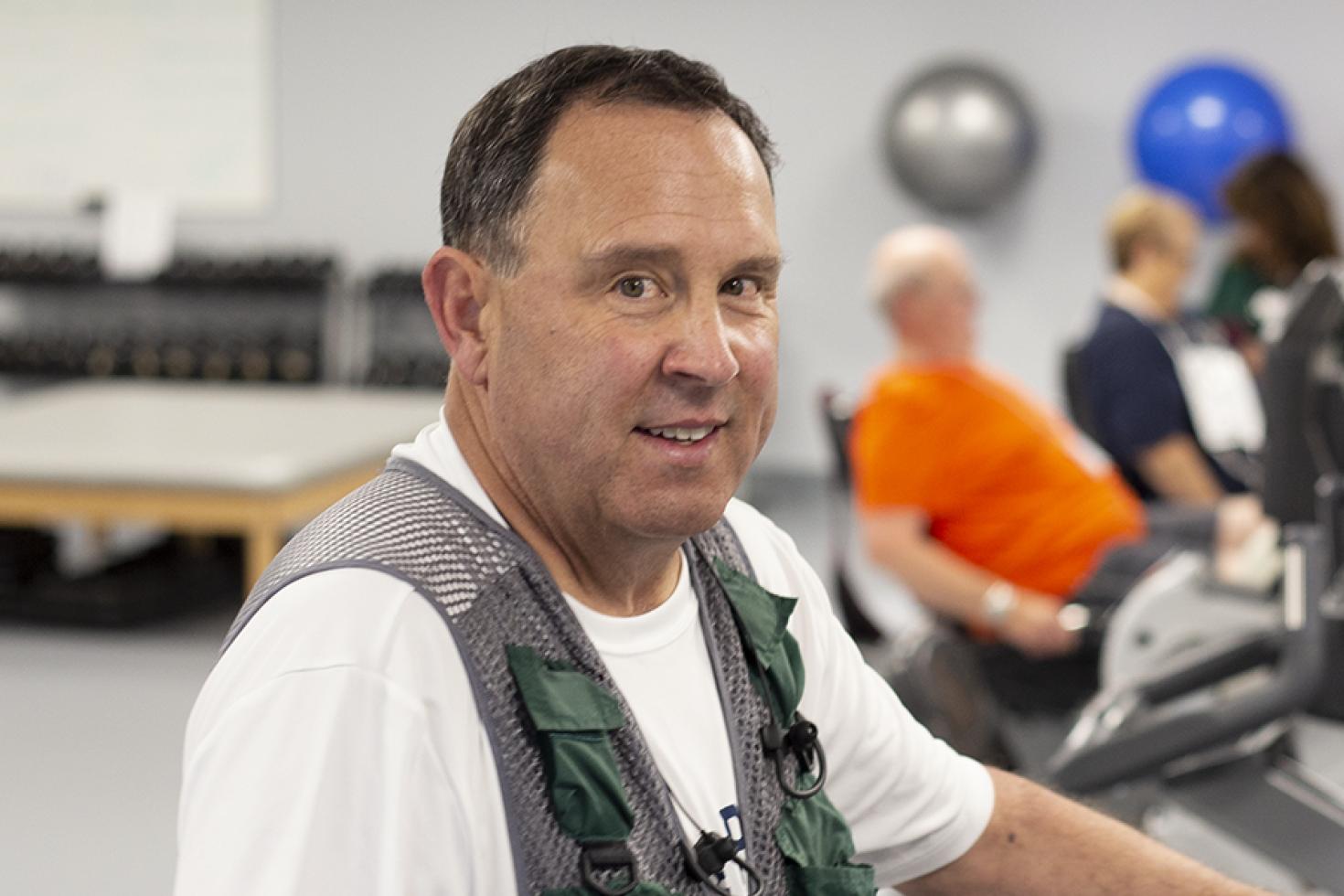
Recovering from a heart attack, heart surgery or a major heart procedure takes time. For weeks or months, you may notice changes in how you move through your daily life. Safe activity, careful monitoring and a structured recovery plan can help you regain strength, rebuild confidence and return to the activities that matter most.
Rebuilding heart health together
MaineHealth cardiac rehabilitation is structured, medically supervised care that helps you recover after a heart event or procedure. It can help you regain strength, return to daily activities and reduce your risk of future hospitalizations and other heart problems. Cardiac rehabilitation may also help you live longer.
We offer personalized cardiac rehabilitation services at locations across Maine and New Hampshire, so you can receive care close to home. Services typically include up to 36 supervised sessions over approximately 12 weeks, combining exercise, education and lifestyle guidance.
Trust MaineHealth cardiac rehabilitation for:
- Care teams with experience in complex heart conditions, including exercise physiologists, nurses, dietitians and behavioral health professionals
- Close coordination with your cardiologist, primary care provider and other members of your care team
- Monitoring of your heart rhythm, heart rate, blood pressure and other vital signs as needed to help you exercise safely
- Individualized treatment plans, goal setting and progressive exercise plans based on your needs
- Education about nutrition, medication, stress, sleep and other lifestyle factors that affect heart health
- Behavioral health care including support for depression and anxiety, which are common after a major heart event
- Evidence-based care that promotes long-term heart health
Is cardiac rehabilitation right for you?
Cardiac rehabilitation may be recommended if you have had:
- A heart attack (myocardial infarction)
- Coronary artery bypass grafting (CABG) or heart valve surgery
- Angioplasty or stent placement
- Heart failure
- Heart transplant
- LVAD implantation
- Some cases of stable angina
Our approach to cardiac rehabilitation
Cardiac rehabilitation usually begins a few weeks after your cardiac event or procedure, once you are medically able to participate. Your program may include:
Initial assessment
Your rehabilitation team will evaluate your heart health, ability to exercise, medicines, risk factors and personal goals. Together, we will create a personalized plan for your care.
Supervised exercise sessions
Your team will monitor you while you exercise. Activities may include walking, stationary cycling, strength training and other exercises. Your program will gradually help you build strength, fitness and confidence.
Education
Learning about your condition and how to protect your heart health is an important part of cardiac rehabilitation. Group and individual sessions may cover nutrition, medicines, managing risk factors, stress management and sleep.
Emotional support
Cardiac events can be emotionally difficult. Depression and anxiety are common after a heart attack or heart surgery. If you need additional support, your care team can help connect you with resources.
Continuing your progress
As you complete your program, your team will help you build a long-term exercise and lifestyle plan that you can continue at home or at a community fitness setting.