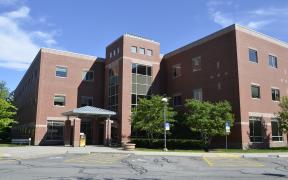
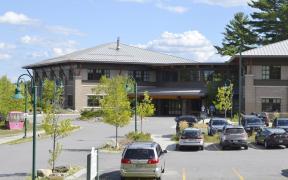
MaineHealth provides comprehensive care for people with burn injuries of all types and severities. From initial stabilization to complex wound closure, our care is guided by evidence-based protocols and the collective expertise of a dedicated, multidisciplinary team.
Expert care for burn injuries
Most minor burns can be cared for at home. For more serious burns, our team of board-certified surgeons and critical care physicians deliver expert burn care at MaineHealth Maine Medical Center Portland. Services include:
- Rapid burn assessment and fluid resuscitation
- Burn wound stabilization and management
- Surgical care
- Rehabilitation care
- Behavioral health care
Multidisciplinary care for the best possible outcomes
Patients receive individualized treatment plans that may include surgery, wound care, and ongoing physical and occupational therapy to maintain strength, range of motion and function.
Specially-trained burn nurses provide ongoing assessment, specialized wound care and compassionate support throughout every stage of treatment. Physical and occupational therapists are also available to provide early rehabilitation that helps preserve function, mobility and independence.
For less severe burns, we provide expert outpatient management through an interdisciplinary burn clinic. This allows patients to recover safely at home while staying connected to their MaineHealth care team for follow-up and support.
Supporting patients throughout their healing journey
Our psychologist provides counseling and coping strategies for patients and families as they navigate pain, anxiety, grief, body image and socialization. Through individualized therapy, peer support and education, our team promotes resilience and emotional well-being.
Scar management and laser treatment services are also available to improve both function and appearance. Our burn surgeons use advanced laser technology to reduce scar thickness, improve skin flexibility, and enhance cosmetic results.
More about burns
Burns are damage to the skin and tissue from heat, electricity, chemicals, sun or radiation. Burns can be a serious medical concern if they are severe. Doctors use two different systems to describe burns: the “degree” of the burn and a description based on depth.
- A superficial (first degree) burn is red, dry, painful, and blanches (turns white) when pressure is applied. A sunburn is an example of a superficial burn.
- A superficial partial thickness (superficial second degree) burn is red, painful, and moist with blisters; it blanches with pressure
- A deep partial thickness (deep second degree) burn is white or red, does not blanch with pressure, and is often not painful (because the nerves of the skin that perceive pain have been destroyed).
- Full thickness (third degree) and fourth degree burns are very severe and involve the deep layers of the skin, fascial tissue or muscle.
Minor and major burns all need treatment, but major burns should be looked at by a doctor immediately. Call 911 or go to the emergency department if you have a major burn.
What causes burns?
Many people experience burns while cooking, eating or being near an open flame. These burns can be minor or major and need medical attention. Other burns can come from:
- Touching hot objects, liquids or steam
- Contact with flame
- Overexposure from the sun
- Chemicals
- Electricity
- Smoking, especially patients who continue to smoke despite being on home oxygen
Symptoms depend on how large the burn is, and how deep the burn is in the skin. Burn symptoms may include:
- Peeling skin
- Swelling
- Red, white or charred skin
- Shock
Burned airways can cause:
- Difficulty breathing
- Coughing
- Dark mucus
- Voice changes
- Wheezing
Call 911 and lay flat if you believe you or someone you know may have burned the lungs or airways.
Major burns need immediate medical treatment. If you have a major burn, call 911, or go to the nearest emergency department. If someone has trouble breathing, has a burn caused by electricity or chemicals, or has a burn larger than the size of their palm, call 911.
Most minor burns can be treated without attention. However, you should seek medical care for burns of the face or hands, burns that involve joints (such as elbows or knees), and burns of the genitals. Proper care can help prevent infection and heal quicker. Call your doctor if an infection occurs after being burned.
Burns heal differently depending on the severity. Healing can take from three to six days for first-degree burn, up to three weeks for second-degree burns, and months for a third-degree burn.
Third-degree burns often require skin grafts. Skin grafts are pieces of skin from one healthy location on the body transferred to the damaged area to increase healing. This can often take a while to recover, especially when there are two or more areas that need to heal.
Be sure to follow your provider's instructions when caring for burns. Call your doctor if you have any questions.