Neuroscience Patient Education and Resources
Patient and family support
Neuroscience patient navigators
Understanding all of the information related to a neurological condition can be overwhelming. Patient navigators are specially-trained clinicians who will guide you and your family throughout your health care journey with compassion and expertise. They provide education and help set expectations for recommended treatments.
Navigators will also work closely with you on your long-term treatment plan, coordinating follow-up care with MaineHealth specialists and connecting you to community resources and support services as needed.
Support groups
Support groups can help you cope with a new neurological diagnosis, chronic condition or loss of a loved one.
Learn more about neurology support groups in Southern Maine.
Patient education
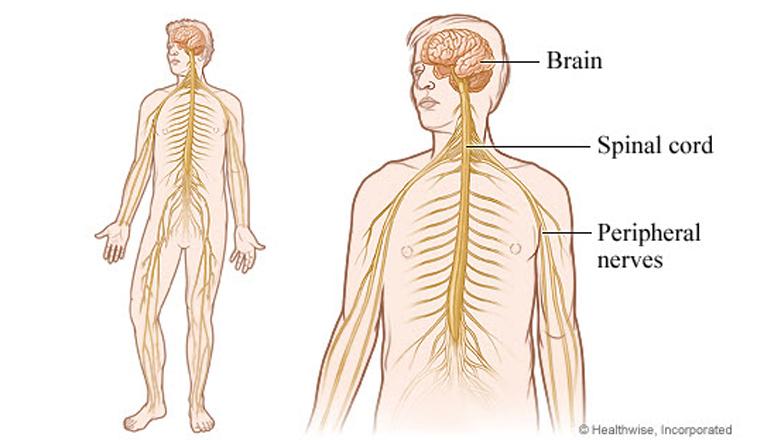
The nervous system includes the brain, the spinal cord, and all the nerves in your body. It controls:
- Sight, hearing, taste, smell and feeling (sensation)
- Movement, balance and coordination. It also controls the actions of most other body systems, such as blood flow and blood pressure.
- The ability to think and reason. It allows you to have thoughts, memories and language.
The nervous system is divided into the brain and spinal cord (central nervous system, or CNS) and the nerve cells that control movements (peripheral nervous system, or PNS).
Common nervous system conditions include:
- Blood supply/vascular disorders
- Traumatic injuries, especially involving your head or spinal cord
- Congenital conditions that are present at birth
- Exposure to neurotoxins, such as carbon monoxide, arsenic or lead
- Overuse of or withdrawal from prescription and nonprescription medicines, illegal drugs or alcohol
- Brain and spinal tumors
Degenerative conditions that cause a gradual loss of neurological function
- Parkinson's disease
- Multiple sclerosis (MS)
- Amyotrophic lateral sclerosis (ALS)
- Alzheimer's disease
- Huntington's disease
- Peripheral neuropathies
Infections conditions
- Brain infections (encephalitis or abscesses)
- Infections in the membrane surrounding the brain and spinal cord (meningitis)
Organ system failure
- Respiratory failure
- Heart failure
- Liver failure (hepatic encephalopathy)
- Kidney failure (uremia)
Other conditions
- Thyroid dysfunction (overactive or underactive thyroid)
- High blood sugar (diabetes) or low blood sugar (hypoglycemia)
- Electrolyte problems
- Nutritional deficiencies, such as vitamin B1 (thiamine) or vitamin B12 deficiency
- Guillain-Barré syndrome
Acute conditions
Sudden (acute) nervous system conditions such as a stroke or transient ischemic attack (TIA) may cause symptoms such as:
- Numbness, tingling, weakness, or inability to move a part or all of one side of the body (paralysis)
- Dimness, blurring, double vision, or loss of vision in one or both eyes
- Loss of speech, trouble talking, or trouble understanding speech
- Sudden, severe headache
- Dizziness, unsteadiness, or the inability to stand or walk, especially if other symptoms are present
- Confusion or a change in level of consciousness or behavior
- Severe nausea or vomiting
Seizures can also cause sudden changes in consciousness, feeling (sensation), emotion or thought. Abnormal body movements, such as muscle twitching, may or may not be present. How often the seizures occur and how severe they are depend on the cause of the seizures and the area of the brain involved.
Diabetes can cause problems with balance, either as a result of peripheral neuropathy or stroke
Vertigo and dizziness are problems of balance and coordination (equilibrium). Vertigo is often caused by a medicine or a problem of the inner ear or brain. Emotional distress, dehydration, blood pressure conditions and other diseases can all cause feelings of dizziness.
Tips for keeping your body and nervous system healthy
- Exercise regularly. Talk to your doctor about an exercise plan that's right for you.
- Do not smoke or use other tobacco products.
- Get plenty of rest.
- Take care of health conditions that may cause decreased nervous system functioning, such as diabetes or high blood pressure
- Eat a balanced, low-fat diet with plenty of vitamins B6, B12, and folate and lots of fresh fruits, vegetables and whole grains.
- Drink plenty of water and other fluids. This helps prevent dehydration, which can cause confusion and memory problems.
- To prevent dehydration during hot weather and exercise, drink water, rehydration drinks, or other fluids each day.
- Drink extra water before, during and after exercise. Take water with you when you exercise, and try to drink at least every 15 to 20 minutes.
- Limit your intake of caffeinated drinks, such as coffee and colas, which increase dehydration and can affect sleep.
- Do not use alcohol or illegal drugs, which can affect functioning long after use.
- Have your hearing and vision tested. When you can't hear or see well, it is hard for your brain to record information.
- Set priorities, and concentrate on one thing at a time. Older adults have a harder time than younger people giving their attention to more than one activity.
- Learn new skills to help increase your attention span and ability to focus.
- Keep written notes. Write all your plans on a calendar where you can look at them often.
- Use a medicine box with spaces for each day. This will help you remember when to take your medicines. Take your medicines exactly as they are prescribed.
- Decrease your use of nonprescription medicines. Overuse of medicines may be the single biggest cause of nervous system problems in older adults.
- Develop a positive attitude about your abilities.
- Protect yourself from head injuries.
- Prevent falls in your home.
Be prepared to answer the following questions:
- What is your main symptom?
- When did you first notice your nervous system problem, and what were you doing at the time?
- How often have you had these symptoms?
- What area of your body is most affected?
- How long do the symptoms last?
- Do you have pain? If so, what is it like (dull, sharp, aching, throbbing)? It may be helpful to keep a pain diary.
- What seems to make your symptoms better or worse?
- Do you have other symptoms? Other symptoms may include:
- Vision loss.
- Weakness.
- Lack of coordination.
- Do you use alcohol or illegal drugs?
- What prescription and nonprescription medicines do you take, and what are the doses? Bring all of your medicines with you to your next appointment.
- Have you had a recent illness or injury?
- Does anyone in your family have similar symptoms?
- Have you recently traveled outside of the country?
- Do you have any health risks?
Keep a diary of symptoms to review with your doctor at your next appointment.
- PREP Planner (PDF, 168.88 KB)
- Getting Ready for Your Surgery (PDF, 151.49 KB)
- How to Shower Before Surgery (PDF, 85.33 KB)
- Pain Management Guidelines (PDF, 130.16 KB)
- Smoking Cessation and Your Spine (PDF, 108.29 KB)
- Infection Prevention Instructions (PDF, 95.27 KB)
- Lumbar Before Surgery Goals Pathway (PDF, 71.98 KB)
- Lumbar Before Surgery Goals Handout (PDF, 92.13 KB)
- Cervical Surgery Discharge Instructions (PDF, 422.4 KB)
- Cervical Surgery RTW Guidelines (PDF, 118.47 KB)
- Lumbar Fusion Discharge Instructions (PDF, 137.77 KB)
- Lumbar Fusion RTW Guidelines (PDF, 117.37 KB)
- Lumbar Lami-Disc Discharge Instructions (PDF, 138.17 KB)
- Lumbar Lami-Disc RTW Guidelines (PDF, 118.09 KB)
- After Lumbar Surgery Next Steps Pathway (PDF, 71.48 KB)
- After Lumbar Surgery Next Steps Handout (PDF, 93.31 KB)
- Back Precautions (PDF, 1.84 MB)
- Managing Constipation (PDF, 123.32 KB)
- Facet Joint Treatment (PDF, 1.1 MB)
- Epidural Steroid Injection (PDF, 932.99 KB)
- Lumbar Spinal Stenosis (PDF, 401.11 KB)
- Lumbar Radiculopathy Patient Handout (PDF, 195.03 KB)
- Cervical Radiculopathy Patient Handout (PDF, 527.38 KB)
- Pain Management Guidelines (PDF, 130.16 KB)
- Smoking Cessation and Your Spine (PDF, 108.29 KB)
- Spine Fracture and Osteoporosis (PDF, 125.81 KB)
- Back Precautions (PDF, 1.84 MB)
Carpal tunnel syndrome
Epilepsy
Headache
Memory
Movement
- American Parkinson Disease Association
- Cure PSP
- Dystonia Medical Research Foundation
- International Essential Tremor Foundation
- National Parkinson Foundation
Multiple sclerosis (MS)
Neuromuscular disease
- Amyotrophic Lateral Sclerosis (ALS) Association
- Muscular Dystrophy Association
- The Neuropathy Association
Pediatric neurology
- Autism Society of Maine
- Cerebral Palsy
- Children and Adults with Attention Deficit Disorders
- Epilepsy Foundation
- Muscular Dystrophy Association