Lung Cancer Prevention and Screening

Screenings are the start of better lung health
The best time to find lung cancer is before it causes symptoms. Lung cancer rarely causes noticeable symptoms in its early stages, which is why screening matters so much. Screening with low-dose CT improves the odds by finding cancer when it is still small, contained and treatable.
Maine residents have a higher-than-average risk for lung cancer. Knowing your personal risk and getting screened if you qualify is one of the best steps you can take for your health.
Know your risk
Lung cancer affects people who have never smoked, but smoking is the leading cause. Other risk factors include exposure to radon, asbestos, secondhand smoke or radiation. If you are concerned about your risk or if a doctor has found something on an imaging scan, talk to your provider or contact our team directly.
Tobacco cessation
If you smoke, quitting is the single most effective thing you can do to reduce your risk of lung cancer. It also significantly improves outcomes if you are already in treatment. MaineHealth offers dedicated tobacco cessation counseling as part of our thoracic cancer program, and we connect patients with QuitLink and other support resources. You do not need to do this alone, and it is never too late to quit.
Lung cancer screening
Low-dose computed tomography screening
The only recommended screening tool for lung cancer is a low-dose CT scan (LDCT), a quick and painless scan that takes pictures of your lungs in less than five minutes. It uses a low level of radiation to create detailed images a radiologist reviews for any signs of cancer. Unlike a chest X-ray, LDCT can detect very small nodules or changes in the lung tissue long before symptoms appear.
You may be eligible for annual lung cancer screening if you are between the ages of 50 and 80 and have a smoking history of at least 20 pack-years (one pack per day for 20 years, or the equivalent). You must currently smoke or have quit within the last 15 years. Most insurance plans, including Medicare and Medicaid, cover LDCT screening for eligible patients. Ask your provider or contact our team to confirm your coverage.
Thoracic imaging review (MATRIx program)
A spot or nodule on a lung scan does not always mean you have cancer. Most nodules are benign. Expert evaluation can help determine what it is and what, if anything, to do about it.
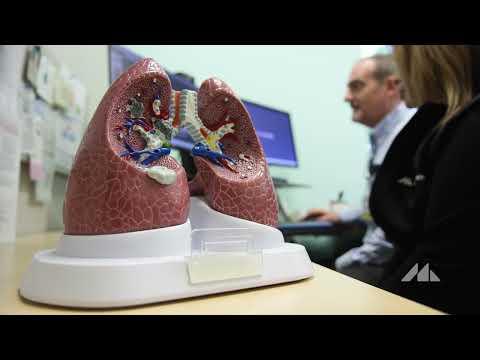
The MaineHealth lung nodule management team is a multidisciplinary group of specialists who work together to evaluate lung findings using a consistent, evidence-based approach. This program serves both MaineHealth and non-MaineHealth patients. Our team has received national recognition for thoracic imaging innovation, including the development of an award-winning 3D lung nodule educational model.
If you have been told that you have a lung nodule, we will make sure it gets the attention it deserves and that you understand what comes next.