Head and Neck Cancer Care
Expert care for head and neck cancers, right here in Maine
Head and neck cancers affect the mouth, throat, voice box, salivary glands, sinuses, and nasal passages, along with the skin in these areas. These cancers can change how you speak, swallow, breathe and eat, so getting the right treatment can make a big difference in your quality of life.
MaineHealth has a complete, multidisciplinary, fellowship-trained head and neck cancer team. That means surgical oncology, medical oncology and radiation oncology specialists are all working together as one coordinated team. You can receive advanced care while staying close to the comforts of your family, your home and your community during your entire cancer journey.
Trust MaineHealth head and neck cancer care for:
- Fellowship-trained head and neck cancer surgeons with a level of training and experience that is unique in our state
- Surgical care that includes both cancer removal and reconstruction performed by that same surgical team, for continuity of care
- Transoral robotic surgery (TORS) using the only FDA-approved head and neck cancer surgical robot in Maine, a surgical technology that allows for minimally invasive removal of tumors
- A multidisciplinary tumor board that creates and reviews your personal care plan throughout your treatment journey
- Nurse navigators who guide you through the months-long journey head and neck cancers can sometimes require
- Specialized supportive services like speech-language pathology, physical and occupational therapy, oncology nutrition, and prosthodontics, all built into your personal care plan from the start
- Additional treatments available closer to home at MaineHealth network locations, so radiation and chemotherapy don’t require long daily drives for most patients
The only program of its kind in Maine
Some tumors of the throat used to require highly invasive surgery with a long, difficult recovery. Transoral robotic surgery (TORS) changes everything.
Using a surgical robot, our team can now reach and remove tumors through your mouth with no external incisions. This can mean a shorter recovery and fewer long-term effects on speech and swallowing. For some people, it can mean they don’t need radiation or chemotherapy at all.
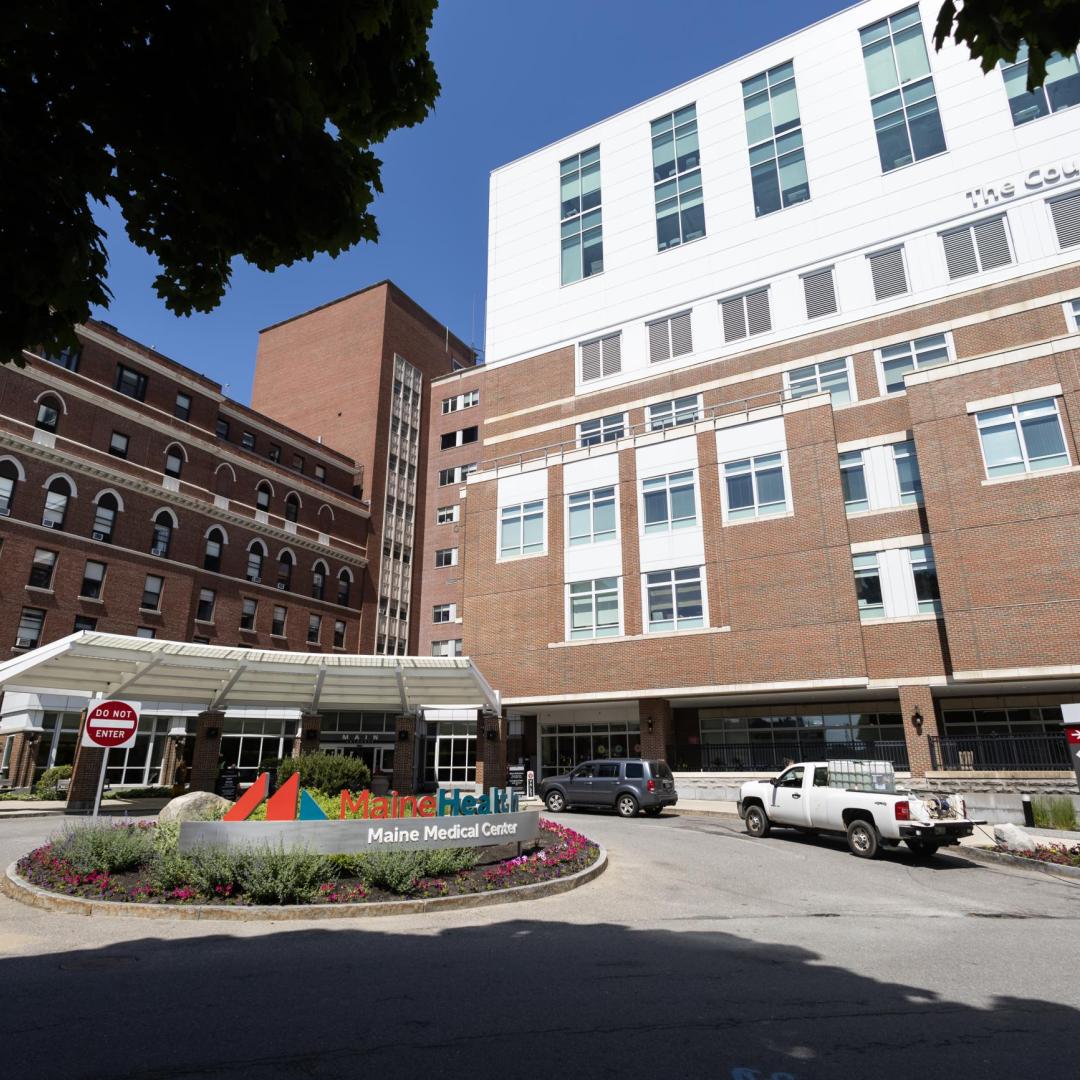
MaineHealth Maine Medical Center Portland has the only FDA-approved head and neck cancer surgical robot in Maine.
Conditions we treat
- Oral Cancers
- Oropharyngeal Cancers
- Throat Cancers
- Salivary Gland Cancers
- Nasal and Sinus Gland Cancers
- Skin Cancers of the Head and Neck
- Rare Pediatric Head and Neck Cancers
- Thyroid and Endocrine Cancers
Services we offer
Most people with head or neck cancer move through multiple stages of care:
Evaluation and tumor board review
Your first visit may begin with imaging, biopsy and other tests if these have not already been completed. Our team helps you arrive prepared. Once your evaluation is complete, your case is reviewed by our multidisciplinary tumor board. Our surgical, medical and radiation oncology specialists develop your personal care plan together.
Surgery
Most personal care plans include surgery at MaineHealth Maine Medical Center Portland, where you will receive the most minimally invasive procedure appropriate for your condition. If you need reconstructive surgery after your tumor is removed, the same surgical team will do both. You can be confident your surgeons know you and your personal care plan well.
Additional therapy, close to home
After surgery, many people need additional treatment to reduce the risk of cancer returning. This may include radiation, sometimes combined with chemotherapy. Most people can access these therapies at MaineHealth locations close to where they live, so treatment does not include a long drive.
Recovery, rehabilitation and support
Head and neck cancer treatment affects many activities of daily life, like speaking, breathing and eating, and may change your appearance. Our program is built to give you the most complete recovery possible. Our team includes:
- Nurse navigators to coordinate your appointments and answer your questions
- Speech-language pathologists to support your swallowing and voice
- Physical therapists to support your recovery
- Oncology dietitians to help you keep up your nutrition and strength
- Prosthodontists if oral or facial rehabilitation is needed
Screening and prevention
Catching head and neck cancers early dramatically improves outcomes. Risk factors for head and neck cancers include tobacco use (including smokeless tobacco and vaping), heavy alcohol use, HPV infection and sun exposure.
Oral cancer screening is typically provided during routine dental care, and by your personal doctor. Tell your primary care doctor about any mouth sores that don’t heal within two or three weeks or any unexplained lumps or persistent pain.
HPV vaccination
The FDA has approved HPV vaccination for all men and women up to age 45. Talk to your primary care doctor about whether HPV vaccination is right for you and your family.
Diagnosis
Diagnosing head and neck cancer usually involves a combination of physical examination, imaging and tissue sampling. If you have been referred to MaineHealth from outside our network, you may arrive at your first appointment with imaging and biopsy already complete. Diagnostic tools include:
- Comprehensive physical exam
- Endoscopy
- Imaging like computed tomography (CT), magnetic resonance imaging (MRI) and positron emission tomography (PET) scans
- Barium swallow studies
- Biopsy and pathology review
- HPV testing for oropharyngeal cancers
Treatment
Treatment for head and neck cancer almost always involves more than one specialty. Your personal care plan is developed by our multidisciplinary tumor board and may include surgery, radiation therapy and medical oncology.
Surgery
Our fellowship-trained surgical team performs the full range of head and neck cancer surgery, including Transoral Robotic Surgery (TORS), traditional and minimally invasive tumor removal, the removal of lymph nodes for evaluation or treatment and reconstructive surgery to restore form and function after your cancer is removed. At MaineHealth, tumor removal surgery and reconstruction are performed by the same team so you have true continuity of care.
Radiation therapy
Radiation uses high energy X-rays to destroy cancer cells while protecting healthy surrounding tissue. Our radiation oncologists use intensity-modulated radiation therapy (IMRT), a precise approach that protects critical structures around your tumor. Most people can receive radiation treatment in a MaineHealth location close to their home.
Medical oncology
Chemotherapy may be part of your personal care plan alongside radiation, either before your surgery or as a primary treatment if your cancer has spread. Our medical oncologists use immunotherapy, which engages your body’s immune system to fight cancer, and targeted therapies designed for your specific cancer.
Clinical trials
MaineHealth participates in clinical research for head and neck cancers. If a clinical trial may benefit you, your team will help you understand what is available and what participation will involve.
Living with head and neck cancer
Treatment for head and neck cancer can be intensive and recovery looks different for everyone. People who have undergone a voice box removal can learn new ways of communicating, including esophageal speech, electrolarynx devices and prosthetics. People who have had jaw or facial reconstruction work with our team to restore function and appearance over time.
Many people return to their lives, their work and the activities they love after treatment. Advances in head and neck cancer treatment have made it easier than ever to transition back into your normal life. And the same team that started your care will stay with you long after treatment.
Speech, swallowing and rehabilitation
Our speech-language pathologists, physical and occupational therapists and oncology dietitians work with you throughout treatment and recovery to support how you eat, drink, talk and move. Prosthodontic services are available when oral or facial rehabilitation is part of your personal care plan.
Support and connection
Nurse navigators stay with you after active treatment ends, helping you coordinate ongoing appointments and support services. MaineHealth Cancer Care patient services, including social workers, support groups, integrative medicine and home health services, are available throughout your journey.
Research and clinical trials
MaineHealth participates in national cancer research through the NCI Community Oncology Research Program (NCORP), the only such program in Maine and New Hampshire, and through the Radiation Therapy Oncology Group (RTOG). Our team uses research-based protocols across our care.