Employee Well-Being
Well-being is different for everyone — whether it's becoming more active, improving work/life balance, eating healthier, practicing mindfulness or connecting with family and friends.
Prioritize your well-being and support of one another
When we prioritize well-being, we are better equipped to provide compassionate care, collaborate with teammates, and maintain a healthy work-life balance.
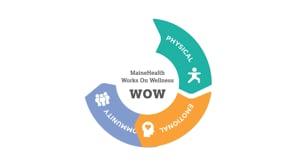
The MaineHealth Works on Wellness (WOW) program supports your well-being journey with tools and resources designed to meet your needs at different points in your life.

More mental health resources
Improve your mental health one step at a time. Trust the process.
For many of us, maintaining good mental health requires making small, consistent efforts every day. Thinking about a lifetime's worth of small steps may seem overwhelming, but in the words of Lao Tzu, “The journey of a thousand miles begins with one step.” Take that first step. The ones that follow will become easier and you'll move closer to your goals.
Imagine what an ideal day would look like for you. Did you connect with a friend? Did you make time to laugh with a loved one? Or maybe you carved out some time to read a book or walked at a park. Often, the things that make us feel better are available, we just have to make time for them.
Challenge yourself to do one thing each day that brings you happiness. Daily habits like this can help transform your mental health for the better.
Mental wellness is a team sport. Feeling lonely or isolated can take a toll on your emotional wellbeing. Connecting with others can help you overcome mental health barriers and feel better.
Having a reliable support team is an important part of improving your mental health. Connecting with others can help more than you might expect. That help may come from family, a friend, a spouse or partner or a health professional. Your doctor and therapist can be part of the team that helps you access the right care, maintain your health and reach your well-being goals.
Practicing self-care every day can help prevent or reverse the effects of burnout. Your emotions, thoughts and attitudes affect your energy, productivity and overall well-being. Regular self-care strengthens your ability to cope with everyday challenges, stressors and crises. Self-care is about taking care of your basic needs, adopting healthy habits and setting personal goals. Create routines that promote rest, relaxation and connection.
Learn about your emotions and behaviors and how to manage them. For example, we all know what worry feels like. View the "Taming Worrying Thoughts" online class to learn how to re-frame your worries and regain control of your thoughts.
Build daily coping strategies like de-stressing at the end of the day. It's normal to for stress to build throughout the day. Pausing to release stress and mindfully reset at the end of each day is a simple way to relieve some of the negative effects of stress. Making healthy mental habits part of your daily routine and creating a clear boundary between your work and personal life can build mental health resilience.
When we see someone struggling emotionally, we don’t always know what to say or how to help. It is important to get comfortable talking about mental health. This starts with practicing empathy and being a good listener.
Learn the signs of potential mental health distress in those around you
- Showing sudden or gradual personality changes
- Acting angry, agitated or moody more often than usual
- Becoming withdrawn from other people
- Making bad choices like abusing drugs or alcohol, poor self-care and other self-destructive behaviors
- Expressing hopelessness
Learn how to talk with someone who's depressed or having thoughts of suicide
MaineHealth care team members can access the Talk Saves Lives online training, developed by the American Foundation for Suicide Prevention. This is a 45-minute introductory training on mental health, suicide prevention, and what you can do in your community to save lives.