Robert Koza, PhD
Multifactorial Regulation of Metabolic Disease
Complex metabolic syndromes such as obesity are caused by interactions between an individual’s genetic predisposition and the nutritional and physical environment. Although studies have shown that nutritional status during development can ‘permanently’ alter an individual’s susceptibility to developing obesity and related metabolic disorders in later life, very little is known about the biological mechanisms and genes that cause these ‘epigenetic’ changes in predisposition for the development of diseases such as obesity and diabetes.
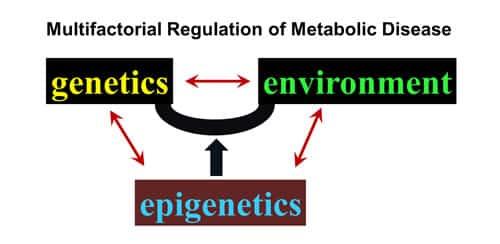
To identify potential ‘epigenetic’ contributions to obesity, we have characterized an inbred mouse strain that gives rise to large variations in bodyweight among individuals when fed a high fat diet and reared in a controlled environment. Analyses of gene expression in adipose tissue of these mice identified a number of genes that were associated with variations in the development of obesity among individuals. These included imprinted genes, developmental genes; and, genes related to molecular signaling cascades, angiogenesis, vascularization and cytoskeletal organization. Because individual mice within our inbred mouse population are essentially ‘genetically identical’, we hypothesize that epigenetic mechanisms must underlie the regulation of some of the genes, or gene pathways associated with the development of obesity in this model. Our goal is to identify the epigenetic mechanism(s) that regulate the development of obesity and related metabolic disease in mice.
Our studies will unravel novel biological mechanisms associated with variations of adiposity in the absence of genetic variation and identify pathways that can be evaluated as therapeutic targets for the treatment of human obesity and related diseases.
Background & Experience
BS: North Adams State College
PhD: University of New Hampshire
Postdoctoral Training: The Wistar Institute, Philadelphia PA and the Lankenau Medical Research Center, Wynnewood, PA
Lab Members



Selected Publications
A complete list of publications can be found on My NCBI
Doucette, CR, Horowitz MC, Berry R, MacDougald OA, Anunciado-Koza R, Koza RA,Rosen CJ. A High Fat Diet Increases Bone Marrow Adipose Tissue (MAT) But Does Not Alter Trabecular or Cortical Bone Mass in C57BL/6J Mice. J Cell Physiol. 2015 Feb 7. doi: 10.1002/jcp.24954. [Epub ahead of print] PubMed PMID: 25663195.
Anunciado-Koza RP, Higgins DC, Koza RA. Adipose tissue Mest and Sfrp5 are concomitant with variations of adiposity among inbred mouse strains fed a non-obesogenic diet. Biochimie. 2015 May 21. pii: S0300-9084(15)00141-8. doi: 10.1016/j.biochi.2015.05.007. [Epub ahead of print] PMID: 26005096
Kozak, L.P., S. Newman, P-M. Chao, T. Mendoza and R.A Koza. The Early Nutritional Environment of the Mouse Determines the Capacity for Adipose Tissue Expansion by Modulating Genes of Caveolae Structure. PLoS One 5(6): e11015, 2010. PMCID: PMC2888576
Koza R.A., P. Rogers and L. P. Kozak. Inter-individual variation of dietary fat-induced mesoderm specific transcript in adipose tissue within inbred mice is not caused by altered promoter methylation. Epigenetics 4 (7): 512-518, 2009. PMCID: PMC3951159
Nikonova, L., R.A. Koza, T. Mendoza, P.M. Chao, J.P. Curley and L.P. Kozak. Mesoderm-specific transcript is associated with fat mass expansion in response to a positive energy balance. FASEB J 22 (11): 3925-37, 2008. PMCID: PMC2574032
Koza R.A., L. Nikonova, J. Hogan, J.S. Rim, T. Mendoza, C. Faulk, J. Skaf and L.P. Kozak. Changes in Gene Expression Foreshadow Diet-Induced Obesity in Genetically Identical Mice. PLoS Genet 2(5): e81, 2006. PMCID: PMC1464831
Koza, R.A., K. Flurkey, D.M. Graunke, C. Braun, H. Pan, P.C. Reifsnyder, L.P. Kozak and E.H. Leiter. Contributions of dysregulated energy metabolism to type 2 diabetes development in NZO/H1Lt mice with polygenic obesity. Metabolism 53: 799-808, 2004. PMID: 15164332
Appointments & Activities
Academic Appointments
Member of the Graduate Faculty, Graduate School of Biological Sciences & Engineering, University of Maine, Orono, ME
Associate Professor, Adjunct, Department of Molecular Genetics, Pennington Biomedical Research Center, Louisiana State University, Baton Rouge, LA
Professional Activities
Member, NIH/NIDDK-Cellular Aspects of Diabetes and Obesity Study Section- CADO (2013-2017)
Member of Editorial Board, International Journal of Obesity (2012-present)
Member, Sigma Xi Scientific Organization (1986-present)
Teaching Responsibilities
Lecturer, ‘Signaling in Adipose Tissue’ for Cell Biology of Tissue Development and Function; Graduate School for Biomedical Sciences and Engineering, University of Maine, Orono (2013-present)
Co-Instructor; Fall Journal Club; ‘Advanced Mouse Modeling-Relevance to Human Disease; Graduate School for Biomedical Sciences and Engineering, University of Maine, Orono (2015)
Recent Ad-hoc reviewer for following journals
Journal of Lipid Research
PLoS One
PLoS Computational Biology
Diabetes
BMC Genomics
BMC Medical Genomics
Obesity
Stem Cells
Stem Cell Research
Journal of Biological Chemistry
Fundamental and Clinical Pharmacology
Molecular and Cellular Endocrinology
American Journal of Physiology-Endocrinology
Physiological Genomics, Metabolism
Reproductive Toxicology
Scientific Reports
Biochimie
Annals NY Academy of Sciences.