Center for Molecular Medicine
Performing cutting edge biomedical research to discover the molecular mechanisms of human disease
The Center for Molecular Medicine (CMM) was established in 1997 with the vision of performing cutting edge biomedical research to discover the molecular mechanisms of human disease, and to harness new knowledge in developmental biology and stem cells for regenerative medicine approaches. The investigators at CMM are committed to translating basic science discoveries to innovative approaches to diagnose and treat human disease. Key to the success of research at CMM is the highly collaborative nature of its investigators, which promotes multidisciplinary research by engaging MaineHealth physicians and other investigators in the region.
CMM is committed to the broader MaineHealth mission of improving the health of the community through excellence in clinical care, education and research. CMM investigators contribute to the broader scientific community by making ground breaking scientific discoveries, service on national scientific organizations and peer review committees, and the education of undergraduate and graduate students, medical students, residents and research fellows.
Core Facilities and Resources
MaineHealth Institute for Research has a series of shared resources and core facilities dedicated to providing the latest equipment and knowledge necessary to assist researchers in their work. Many of these shared resources and services are available to the outside community.
Learn more and view all of our Core Facilities and Resources here.
Building and Strengthening Research Programs
MHIR has two Center of Biomedical Research Excellence (COBRE) grant programs. A COBRE is a special type of funding from the National Institutes of Health (NIH) designed to help research institutions grow and support scientific discovery. It focuses on developing research centers in specific areas of health, like cancer, heart disease, or neuroscience.
Center for Biomedical Research Excellence
Research areas
The Center for Molecular Medicine is comprised of laboratories studying basic mechanisms of human disease. Basic laboratory research addresses cellular and molecular signaling mechanisms, and develops new models to understand medical problems. Our discoveries are used to consider new diagnostic or therapeutic opportunities related to our mission of patient care.
Cardiovascular Biology
One of our early research centers was developed to address the causes and basic cellular mechanisms and physiology related to multiple types of cardiovascular disease. Research studies range from understanding the development of the heart and blood vessel system during embryogenesis, stem cells that give rise to cells of the cardiovascular system, angiogenesis in response to tumors or wound healing, and diseases of the heart and blood vessels, such as heart failure, myocardial ischemia, and vascular obstructive diseases.

Peter Brooks, PhD




Sergey Ryzhov, MD, PhD


Cancer Biology & Therapeutics
Our researchers address multiple aspects of cancer diagnosis and tumor progression, including angiogenesis, and the effects of the tumor stroma. In addition, we have an active tissue bank representing thousands of tumor specimens from a variety of cancers that are available for research us.
Peter Brooks, PhD

Epigenetics, Metabolism & Hormonal Regulation
Our research addresses the genetic basis of obesity and diabetes, and overall regulators of metabolic health. In addition to adipose tissue, the skeleton, hormonal systems, and liver are organs that actively regulate metabolism and body homeostasis. Our research spans these systems to understand the pathogenesis of diseases including obesity, osteoporosis, hormone imbalance, and diabetes.
Arturo Hernandez, PhD


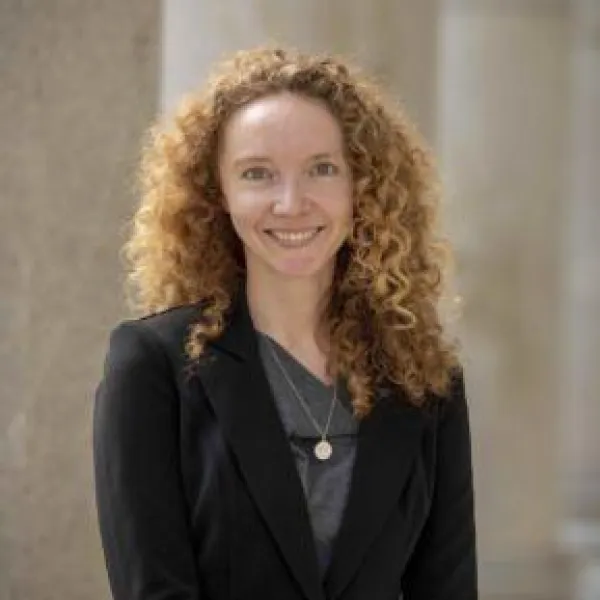
Rebecca Mountain, PhD

Computational Biology & Artificial Intelligence